
Early Autumn: March in the Kitchen Garden

Like many parts of the South Pacific, we have been affected by the La Nina weather pattern bringing grey skies and a cool summer. I saw my neighbour the other day and we were joking about how much we’d enjoyed summer last Wednesday. There will still be warm days ahead and March is a lovely month as we head towards the start of what I think might be an early autumn. It is the autumn equinox this month around the 21st March so that’s when true autumn begins.
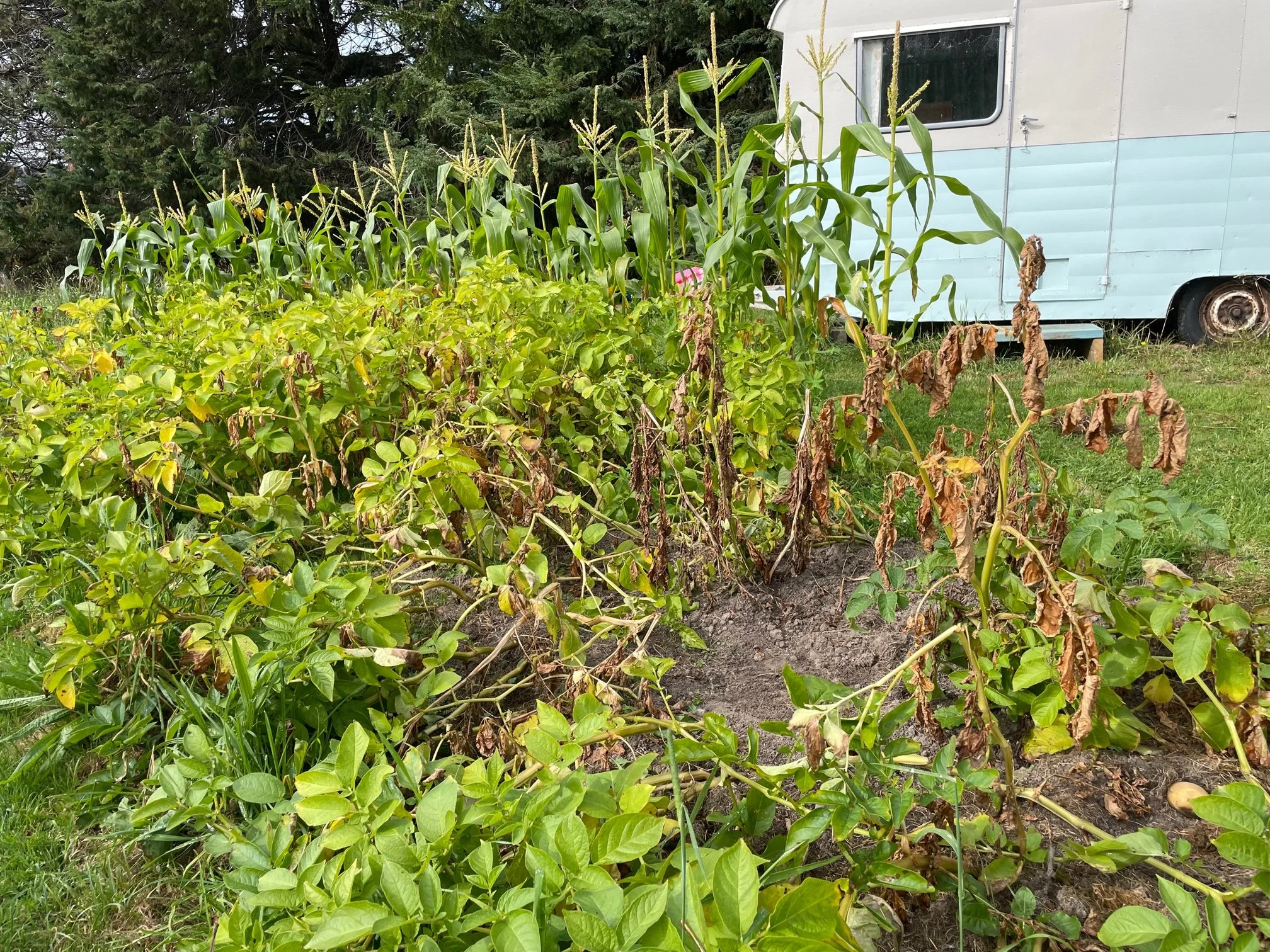
Where I am in coastal Otago, we are already noticing the pumpkins leaves, the fig tree and the potatoes all starting to colour up and dry off. It has been fairly dry and we have already had at least one near frost which knocked back the pumpkins. It’s a very short growing season for them anyway so one of my jobs this week is to make sure I pinch out any extra growing tips to makes sure they don’t set any more fruit. It’s a good idea to have less fruit on the vines here but keep them well fed and mulched so you can get a few into storage.
How is your garden producing? Make a note in your garden diary of what is flowering or producing this month. It helps you to get to know your own micro climate.
We are till eating courgettes, tomatoes, beans, silverbeet, lettuces, beetroots, carrots, and have onions and garlic lifted and in storage. The carrots have been delicious this year and the beetroot is ready for bottling. I’ll get my basic beetroot-bottling recipe up on the blog which you can download and print off as well. Potatoes have been a star crop this year with my favourite Cliffs Kidney still producing from my third late sown patch, and the main Agria dying off now. Will lift and store those for delicious roast potatoes over winter.
The kitchen gardeners’ thoughts turn as always to the future. It is not too late to get in brassica seedlings for winter eating along with lettuce and silverbeet. Take advantage of the warmth still in the ground for them. Plant into rich, well composted soil and keep watered. Watering is important for any seedlings in the ground now. Get as much growing in before the winter chill slows growth. Keep sowing brassicas every 3-4 weeks to get a succession of veges and you should be good for that gap in early spring. This year, our spring cabbages were not ready until summer so we enjoyed a lot of cabbage on the kitchen table!
Over this month, the natural cycle of many of our vegetables will be coming to an end so you will be busy in the kitchen preserving and outside beginning the tidying up ready for winter. Keep an eye on the hedgerows for blackberries, hawthorn berries and apples for jellies and sauces.
Keep harvesting runner beans and once finished let the vines die back naturally to provide food for next season then use old vines as compost. It’s a good idea to have perennial runner beans in a permanent spot at the back of the garden somewhere as they will stay there for a few years. All other beans and peas can be cut back and dug into the soil to provide carbon and nitrogen for the leafy plants to follow in the Spring. Start sowing broad beans and peas that will also provide a green crop over winter for this bed.
Root crops will be growing well for winter eating. Thin February sown carrots at night when there is less chance of carrot fly attack. Thin beetroot seedlings. Feed and keep the water up to brassicas, celery and leeks. Keep an eye out for sources of animal manure and other compost materials to put on empty beds in preparation for the coming cold months. If you have a patch of ground that is not in use until spring then make that your compost bed and throw all your garden refuse on it, add some manure, blood and bone, a little lime, cover with straw and leave.
Start seed saving with the seed from your broad beans, runner beans and tomatoes or any other vegetables that have gone to seed. I have left a very nice broccoli to go to seed which I will collect once it I dry. I got some seed from the local Crop Swap and got another batch of seedlings coming on. Any brassicas will have to be covered to protect from the white cabbage butterfly.
Jobs for this Month
Sow: Northern Warmer Areas: Beetroot, cabbage, carrots, cauliflower, Chinese cabbages, leeks, lettuce, radish, spring onion, mustard (green crop), kohl rabbi, shallots, spinach, silverbeet, sugarsnap peas, turnips, parsnips, swedes, shallots
Sow: Southern or Inland Cooler Areas; Bok Choy, lettuces, swedes, mustard (green crops) cabbage, Asian Greens, Early month, beetroot, carrot, parsley, onions, silverbeet, spinach. Later in month, Broadbeans, peas,
Plant: Northern Warmer Areas. Broccoli, cabbage, cauliflower, celery, leeks, lettuces, silverbeet, spinach, spring onions,
Plant: Southern or Inland Cooler Areas. Broccoli, Brussels Sprouts, cabbage, cauliflower, lettuce, silverbeet, parsley.
Cultivate: Keep up feed and water for seedlings. Keep mounding up maincrop potatoes if they are still growing.
Harvest: Potatoes, tomatoes, courgettes, pumpkin, corn, beans, cabbages, cauli, broccoli, silverbeet, parsnips, carrots, beetroot and more.
Prepare: Start preparing soil for winter as gardens are becoming bare. Chop up old sunflower and corn stalks and bury in garden, collect manure and bean stalks for mulch. Prepare soil of broadbean planting later this month and next month.