Seed Saving in your Autumn vegetable garden.
How to Save Your Own Seeds
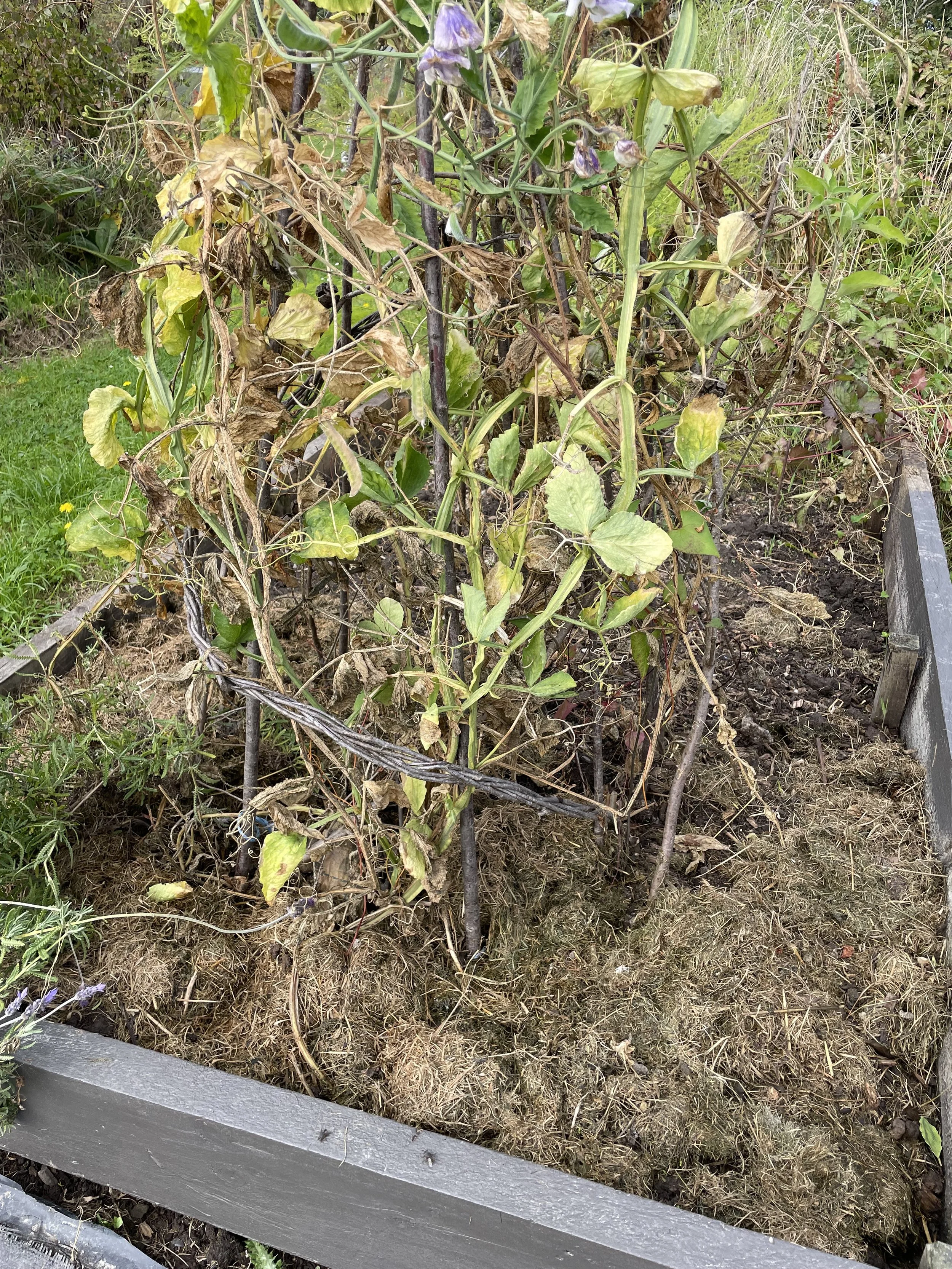
As the nights draw in and the air turns a little cooler, the natural cycle of the plants in our garden begins to come to an end. In their short lives, plants have one primary goal—to reproduce. The seed cycle is the final and most important part of that process. They quite literally “go to seed.”
Each plant has its own way of scattering seed. Once that job is done, the plant dies back, returning to the soil or compost and contributing its goodness to the earth—ready for the cycle to begin again in spring.
The beauty of this process is that we can step in and take part. By collecting seeds, we can resow them in a patch of our choosing, save them for future seasons, or share them with others. Nature is wonderfully abundant—there is always far more seed than any one gardener could ever use, making it easy to share and be generous.
🌿 When to Start Collecting
Over the next month or two (March and April in the Southern Hemisphere), we begin tidying our gardens and preparing beds for the next growing season.
Before pulling everything out, take a moment to observe your garden closely. Look for your best performers:
Your most productive bean vine
The most delicious tomato plant
Healthy potatoes
Strong herbs, lettuces, or silverbeet
Mark these plants so that as they die down, you can return to harvest seeds from them. Then, on a fine, dry afternoon—start collecting.
📦 Get Organised
Having everything ready makes the process simple and enjoyable. Consider creating a dedicated seed-saving box with:
Paper bags (various sizes)
Small brown envelopes or recycled envelopes
String and rubber bands
A pen for labelling
Cutting tools (scissors or secateurs)
🍅 What to Collect and How
Tomatoes
A wonderful way to preserve rare or favourite varieties.
Choose a fully ripened tomato, scoop out the seeds, and spread them onto paper towels. Allow the flesh to dry away from the seeds. Once completely dry, store them in a labeled envelope with the variety and date.
🌱 Beans
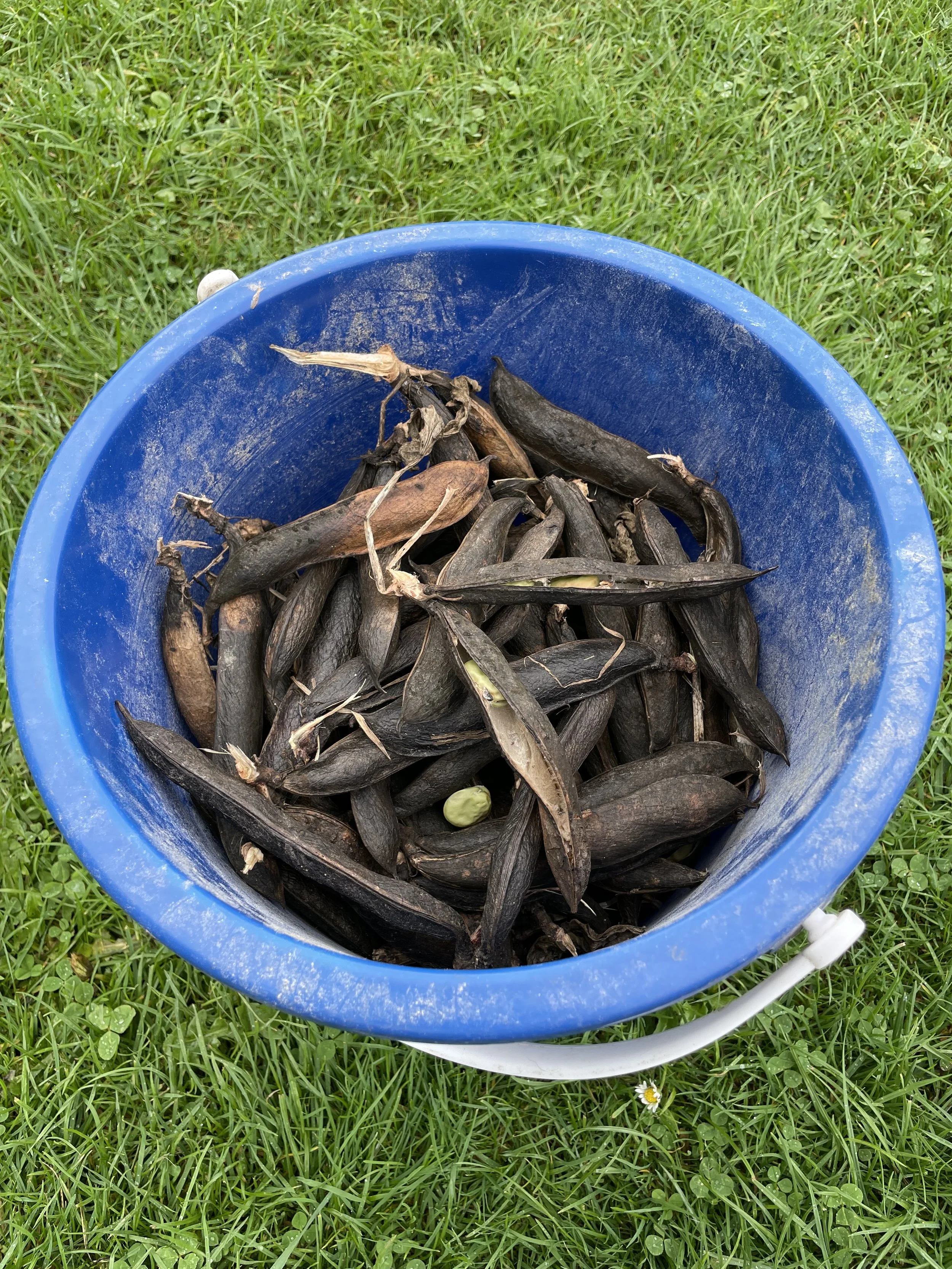
Leave some pods on the vine to dry as the plant dies back. Once dried, harvest and store them in a cool, dry place.
If you’re growing varieties like borlotti, you can also dry them for eating—simply let them dry fully on the vine before storing in an airtight container.
🥬 Leafy Vegetables & Herbs
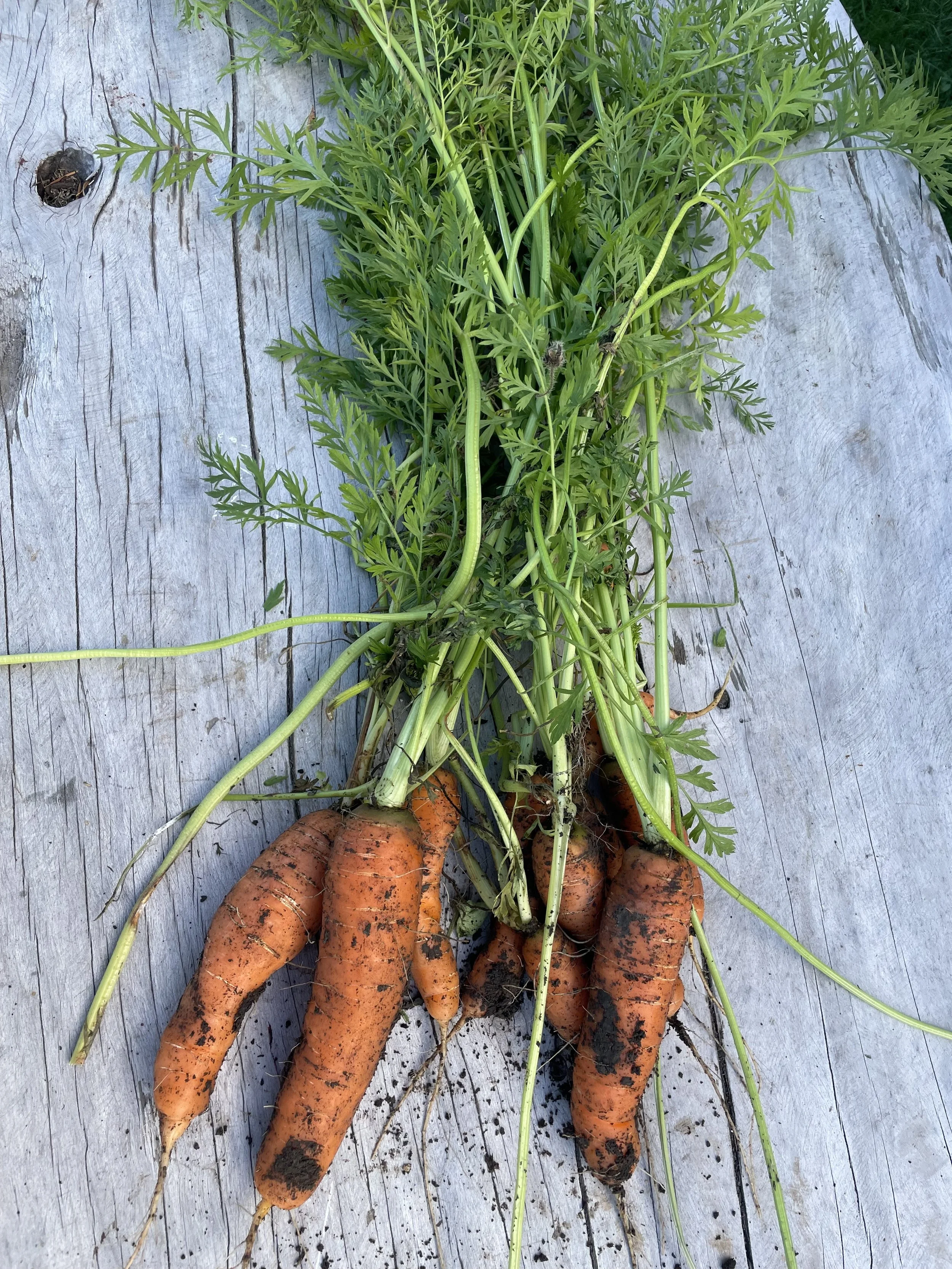
Lettuces, silverbeet, brassicas, and herbs can all go to seed.
Cut mature seed heads and shake them into a paper bag. Store in labeled envelopes. If rain threatens, tie a paper bag over the plant to catch seeds as they fall.
🥔 Potatoes
While certified seed potatoes are recommended, you can save your own if they are healthy and disease-free.
Select the best tubers from strong plants and store them in a cool, dry place over winter.
🌸 Flowers
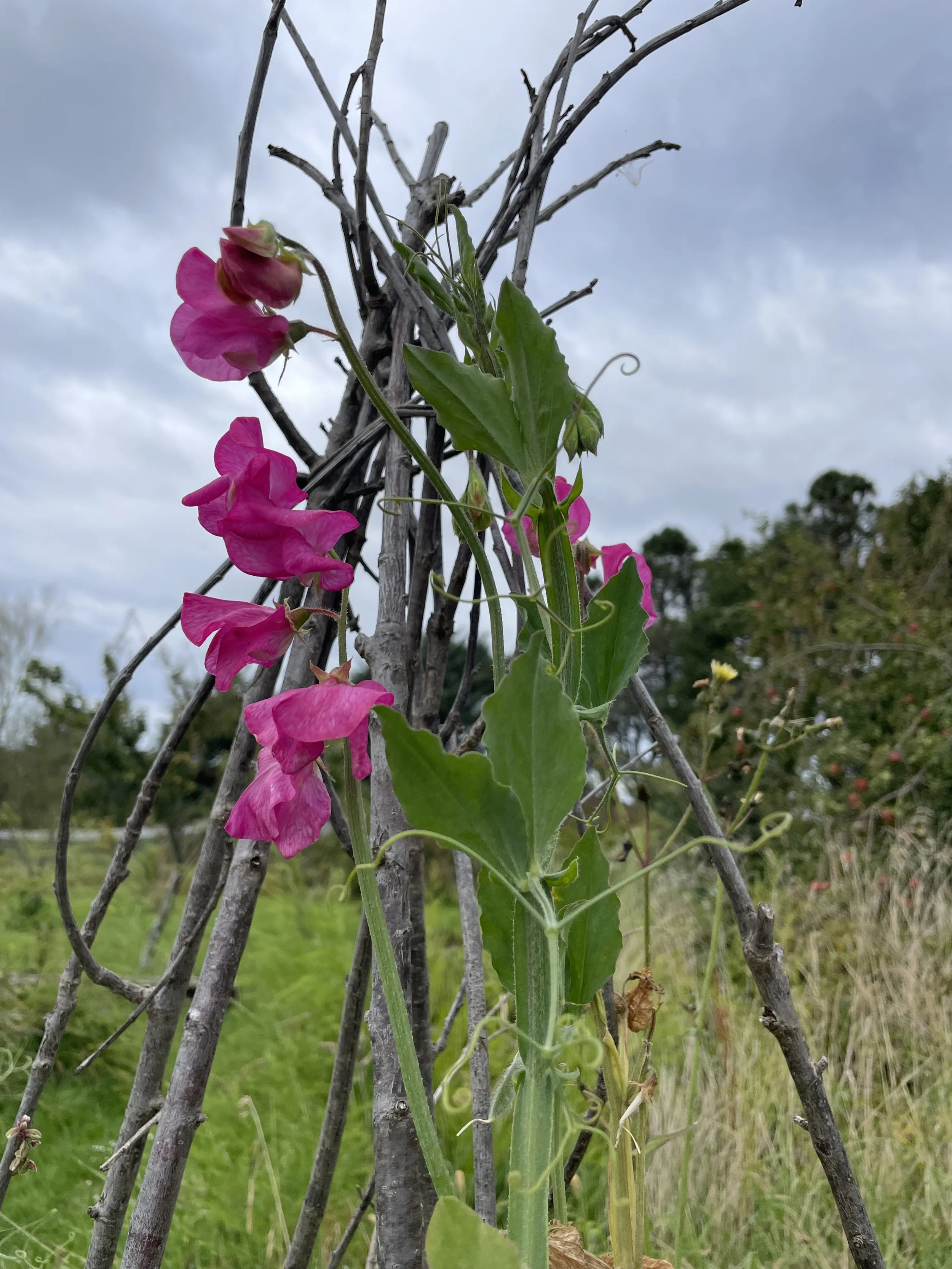
Allow seeds to dry on the plant before collecting.
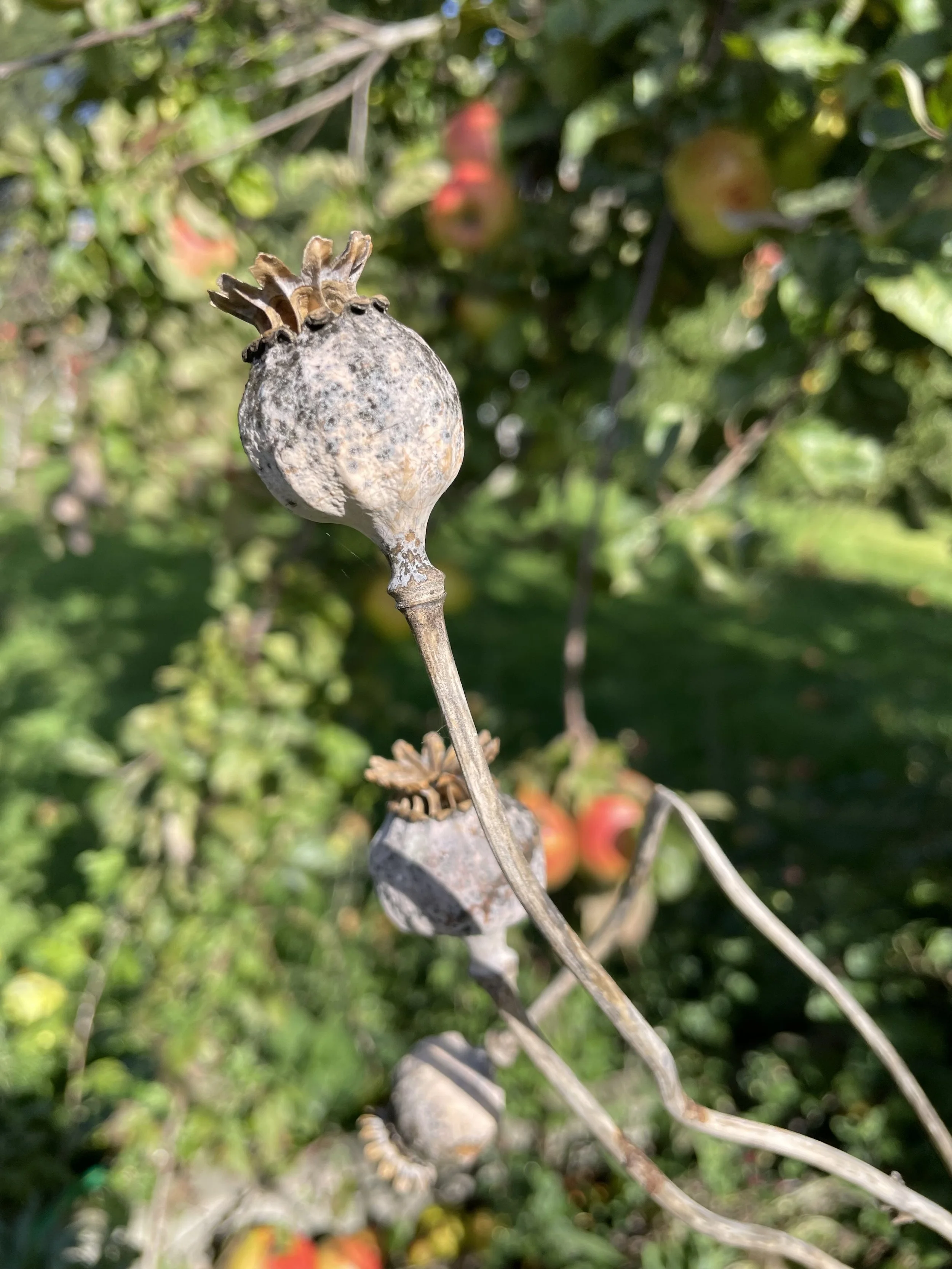
For plants like poppies, cut off the seed heads and place them into a large paper bag—seeds will naturally fall out. Always label your bags before collecting.
❄️ Storing Your Seeds
If you’re not sowing immediately, proper storage is key. Seeds need three things:
Dry conditions
Cool temperatures
Protection from pests
Ensure seeds are completely dry before storing. Keep them in labeled envelopes inside a sealed container, stored in a cool spot (such as a shed). Check occasionally for pests. Some seeds can also be stored in the freezer if space allows.
🌼 The Reward
When winter passes and the days begin to lengthen, you’ll have your own supply of seeds ready to sow—and to share. It’s a simple, rewarding way to stay connected to the natural rhythm of your garden.
✅ Quick Seed Saving Checklist
Choose your best plants
Wait until seeds are fully mature
Collect on a dry day
Dry seeds thoroughly
Label everything clearly
🌿 Ready to Get Started?
Prefer something printable? Download this guide as a free PDF for easy reference anytime.
🌱 Want to Plan Your Garden Better?
If you're just starting out or want a clearer path through the gardening season, the Crop Rotation Poster is a helpful companion to keep your garden productive and healthy year after year.
If you have any questions or would like a copy of the guide, feel free to reach out at
keren@professionalcountrywoman.com
Happy gardening 🌿